Hypermobility - a Blessing, Curse or Both
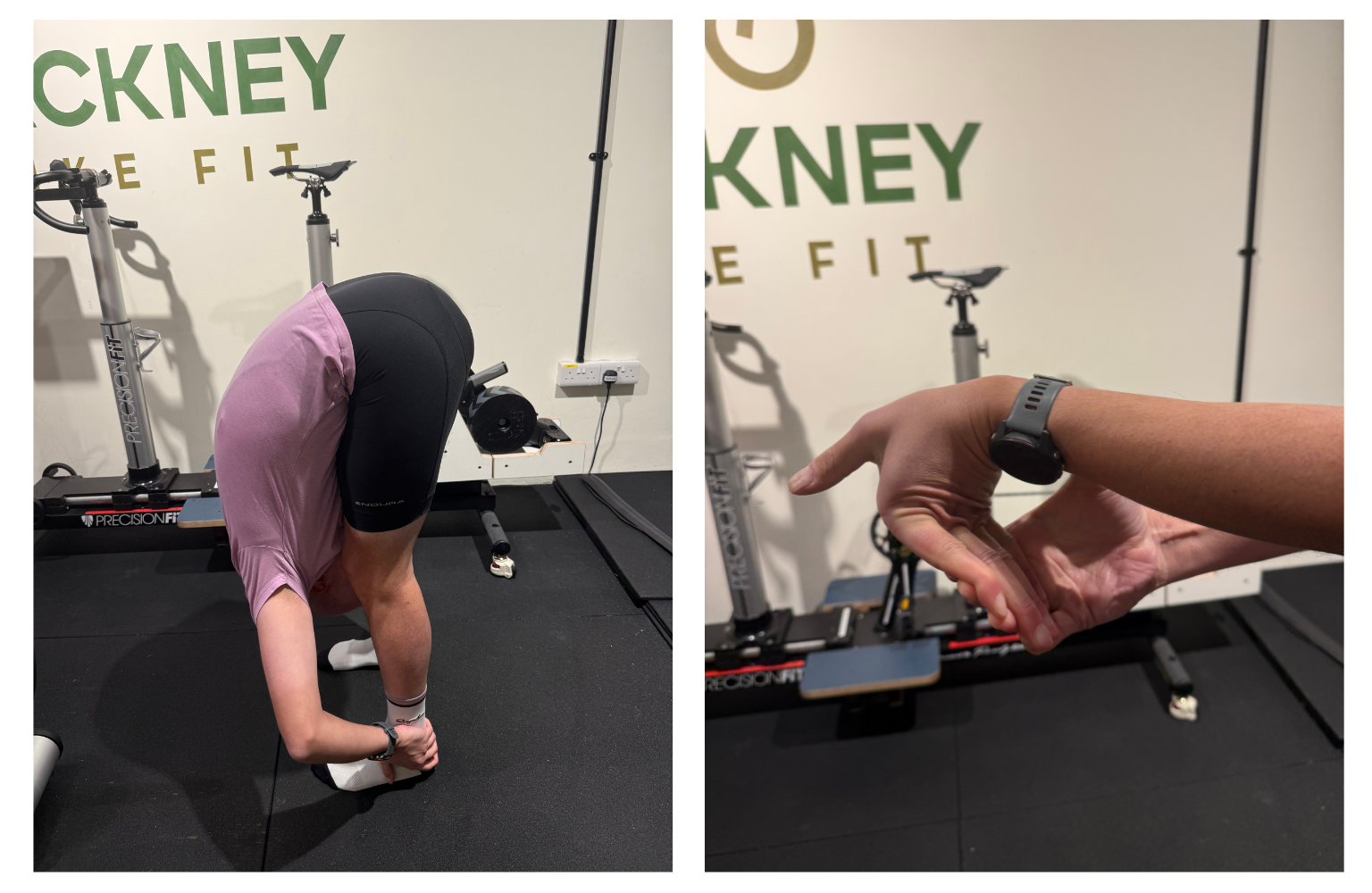
A hypermobile young man demonstrating extended range of movement
What is Hypermobility?
Hypermobility is the ability to move joints outside what is considered the normal range of movement. Around 30% of the population have joints which can move further than average. Around 10% of the population have symptoms due to this additional movement, ranging from mild to severe. More information and support can be found through the Hypermobility Syndromes Association https://www.hypermobility.org/
There are different reasons why this can occur. These include connective tissue disorders, the shape of the joints, certain medical conditions, ligament laxity or lack of muscle tone. People can develop a level of hypermobility through injury or training, for example yoga or gymastics.
Many professional athletes and top sportspeople have a degree of hypermobility. It allows them to achieve a greater range of positions than people without it. If you watch Andy Murray’s tennis serve, with his arm almost vertical at the top of his swing or the swimmer Michael Phelps stretching his shoulders and having his shoulder blades nearly touch. These athletes can work outside the “normal” range of movement. They also have access to the world’s finest physios and coaches, as well as having a highly trained muscle structure to support this additional movement. While a small amount of hypermobility can improve sporting performance, people with hypermobility can also be more prone to injury. Individuals with high levels of hypermobility and those without supporting muscle strength, can suffer from pain syndromes and be at high risk of injury. Hypermobility syndromes may affect some joints, most joints, the heart (in the case of Marfan’s https://www.nhs.uk/conditions/marfan-syndrome/), the gut and any part of the body which has elastic fibres.
The small amount of joint hypermobility I have personally both helped increase my flexibility when I was a competitive gymnast but probably contributed to the injuries which led to my giving up the sport.
Working with Hypermobile Clients
I regularly work with clients who have hypermobility, including cyclists competing at a high level, as well as those with more severe hypermobility syndromes including hypermobile Elhers-Danlos syndrome (hEDS). The key to bike fitting hypermobile clients, as with everyone who comes through my bike fitting studio, is BALANCE. For some people, including those with unstable spines, this means a completely upright position with swept back handlebars. For others, they can achieve and hold a deep aero position. The majority are somewhere in between. Many hypermobile cyclists can get into a very low and aggressive position, but if they are not balanced, they are likely to experience pain and could get injured. I have refitted a couple of hypermobile clients who previously had a bike fit which put them in an unbalanced position. They looked great with a deep hip hinge, flat back and aggressive riding position, but experienced back pain, shoulder pain and couldn’t ride the bikes which had been built for them. Thankfully, the bike fitter / frame builder combo who worked with them, no longer work in the UK. No one in the extensive network of bike fitters I know, would have ever put them in such an unbalanced position.
Before I was a bike fitter, I worked in private healthcare business development and marketing, including the launch of a specialist hypermobility unit in North West London. This brought together rheumatologists, specialist physiotherapists, pain consultants and gastroenterologists under a single umbrella, as part of a multidisciplinary team. My role included researching and creating all the written materials such as patient information and a website. I hosted and attended multiple lectures and conferences for physiotherapists and general practitioners on hypermobility. One of my key take aways from working with the unit is how varied, individual and specialist hypermobility syndromes can be.
The ideal bike fit for a hypermobile client is the Comprehensive Bike Fit. This gives me time to perform a physical assessment, set up the inside of your shoes if needed as well as detailed cleat adjustment. You are welcome to choose the quick fit option, but please note, this fit is only 90 minutes long. This sounds like a lot, but to carefully work through multiple positions of saddle and handlebars, this may not be enough. The comprehensive fit also includes use of my saddle library, where you can borrow a saddle to test, if your current one is not comfortable or provides enough stability.
Bike fitting requires exertion, taking you through a range of positions and physical movements. If you are hypermobile, please discuss this with me at the start of your session, so we can take additional care. Please note, I am not a healthcare professional or an extended scope personal trainer. For many clients, I can provide information on strengthening exercises, but I would always recommend hypermobile clients work under the supervision of a physiotherapist and/or personal trainer who is highly experienced in working with hypermobile clients